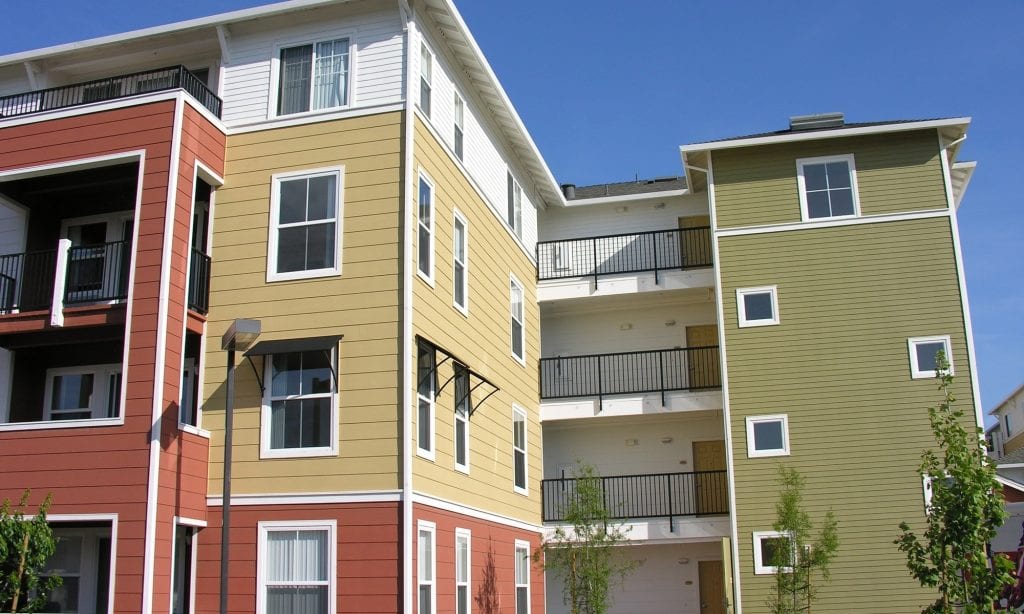
Ask any experienced property manager what the fastest way to turn a unit is, and painting comes up in the first few sentences. Done right, it resets a space, covers years of wear, and makes photos pop for listings. Done wrong — or skipped entirely — it becomes a liability that stalls move-ins and invites tenant complaints.
Here's what we've learned working with property managers across dozens of units.
Why Paint Is the Highest-ROI Turnover Spend
A full interior repaint typically costs a fraction of what a single week of vacancy costs in lost rent. It's also one of the few improvements that photographs well and is immediately visible to prospective tenants during showings.
Beyond appearances, fresh paint:
- Seals odors from prior occupants (especially important in units with pets or smokers)
- Covers scuffs, marks, and stains that would otherwise raise maintenance flags
- Gives you a documented baseline condition for future damage disputes
What to Paint Every Turnover vs. Spot-Touch Only
Not every turnover requires a full repaint. Here's the framework we use with our property manager clients:
Always repaint
- Units after tenancies of 3+ years
- Any unit with visible patching, heavy scuffs, or color changes
- Units where the previous tenant had pets
- Any room where the existing color won't match touch-up paint cleanly
Spot-touch may be sufficient
- Short tenancies (under 18 months) with a neutral, consistent color throughout
- Units where you used a durable sheen (eggshell or satin) and documented the exact paint product used
Keep a spreadsheet of the exact paint color, brand, and sheen for each unit. Matching touch-ups 2 years later without that info is a coin flip — and mismatched patches look worse than the original scuff.
Choosing the Right Color for Rentals
The best rental color is one that photographs bright, appeals to a wide range of tenants, and touches up cleanly. We consistently recommend a warm white or light greige in an eggshell finish for walls, with semi-gloss on all trim and doors.
Avoid anything too dark or trend-driven — you'll be painting over it sooner than you think.
Timing: How to Fit Painting Into the Turnover Window
Painting should be scheduled after any drywall repairs and before carpet cleaning and final cleaning. A typical 2-bedroom unit takes us one day. Larger units or units requiring primer over stains add half a day.
Give us a heads-up when a notice to vacate comes in and we can often get on the schedule before the unit is even empty.
What to Look for in a Painting Contractor for Rental Work
- Speed and reliability — the vacancy clock is running
- Consistent quality — sloppy cut lines show up in listing photos
- Flexible scheduling — turnover timing is unpredictable
- Portfolio of rental work — residential contractors aren't always the right fit